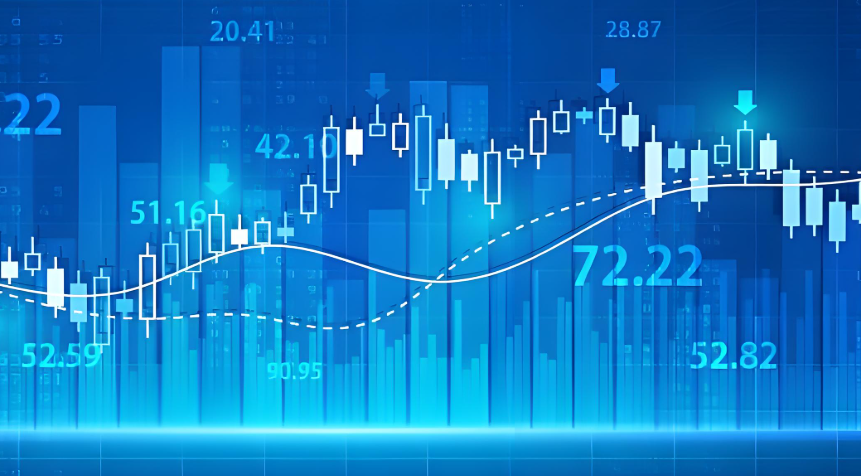
You see the headlines all the time: "Inflation Hits 40-Year High," "Prices Continue to Climb." It's overwhelming. But behind every scary headline is a chart—a visual story of where prices have been and where they might be going. A US inflation on the rise chart isn't just lines on a graph; it's a crucial tool for making sense of your financial reality. If you've ever looked at one and felt confused about what you're actually seeing, you're not alone. Most people miss the subtle details that matter most. This guide will walk you through how to interpret these charts like a pro, identify the real drivers of price increases, and, most importantly, translate that knowledge into actionable steps to protect your purchasing power.
What You’ll Learn in This Guide
Decoding the Chart: CPI, Core, and PCE Explained
Not all inflation charts are created equal. The first step is knowing which line you're looking at. The most common one is the Consumer Price Index (CPI), published monthly by the Bureau of Labor Statistics (BLS). It tracks the average change over time in prices paid by urban consumers for a market basket of goods and services. Think groceries, rent, gas, doctors' visits, and haircuts.
But here's where beginners get tripped up. They see the headline CPI number and panic. The smarter move is to look at the Core CPI line on the same chart. Core CPI excludes food and energy prices. Why? Because food and energy are notoriously volatile. A bad hurricane season can spike gas prices, or a drought can affect wheat costs, creating noise in the data. Core inflation gives you a cleaner read on the underlying, persistent trend.
Pro Tip: When you see a chart showing US inflation on the rise, immediately check if it's plotting Headline CPI or Core CPI. A chart showing only headline inflation during a period of high gas prices will look much scarier than one showing core. The Fed pays much closer attention to core measures when making policy decisions.
Then there's the PCE Price Index, the Federal Reserve's preferred gauge. The Personal Consumption Expenditures (PCE) index, put out by the Bureau of Economic Analysis, has a different basket of goods and a different formula. It accounts for how consumers substitute goods (like buying more chicken if beef gets too expensive). In practice, PCE inflation tends to run about 0.2 to 0.3 percentage points lower than CPI. If the Fed's target is 2% inflation, they're talking about PCE.
So, a comprehensive chart might show three lines: Headline CPI, Core CPI, and Core PCE. The story is in the gaps between them.
| Inflation Metric | Publisher | Key Characteristics | Best For Tracking... |
|---|---|---|---|
| CPI (Headline) | Bureau of Labor Statistics (BLS) | Includes all items (food, energy). Most quoted in media. | The immediate cost-of-living pinch felt by consumers. |
| Core CPI | Bureau of Labor Statistics (BLS) | Excludes food & energy. Less volatile. | The underlying, persistent inflation trend. |
| Core PCE | Bureau of Economic Analysis (BEA) | Fed's preferred gauge. Accounts for consumer substitution. | Federal Reserve policy direction and long-term trends. |
Reading Beyond the Peak: Trends, Not Just Peaks
Anyone can spot a spike on a chart. The real skill is in interpreting the slope and the composition. Is the line going up steeply (accelerating inflation) or starting to flatten (disinflation)? Is it actually going down (deflation)? A flattening line is often more important news than a high peak, as it signals pressure might be easing.
Look at the time horizon. A 5-year chart gives you context a 1-year chart misses. It helps you see if we're in a new regime or reverting to an old normal. Comparing the current line to historical averages (like the Fed's 2% target line) instantly tells you how unusual the present moment is.
What's Really Driving Prices Higher?
An inflation chart shows the "what," but you need to dig into the data to find the "why." The BLS breaks down the CPI into categories. A rising overall line could be caused by just one or two sectors dominating.
For example, in the post-2021 period, the chart's ascent was initially powered by a few clear culprits:
- Used Cars and Trucks: A perfect storm of semiconductor shortages, new car production halts, and surging demand sent prices soaring. At one point, this category alone contributed massively to the overall index.
- Shelter (Housing): This is the biggest weight in the CPI basket. Rising rents and homeowners' equivalent rent have long, slow-burning effects on the index. Even if market rents cool, it takes months to show up in the CPI data due to how it's measured.
- Food at Home: Grocery prices, affected by supply chain issues, labor costs, and commodity prices, hit everyone directly.
- Energy Services: Electricity and natural gas prices, influenced by global commodity markets.
The driver matters for your personal strategy. If inflation is mostly in energy, your budget focus is on commuting and utilities. If it's in shelter, it affects your housing costs or rent renewal strategy.
I remember looking at the detailed tables from the BLS report in mid-2022. The headline number was jarring, but seeing that over half of the increase came from shelter, food, and energy made it clear this wasn't a broad-based price increase in every corner of the economy just yet. It told a more nuanced story.
How Rising Inflation Reshapes Your Investment Strategy
This is where the rubber meets the road. A chart showing sustained inflation above 3% or 4% is a direct signal to reconsider your portfolio. Inflation erodes the real value of future cash flows. That's bad news for traditional bonds and cash sitting in low-yield accounts.
The classic 60/40 stock-bond portfolio can struggle in high-inflation environments. Bonds lose value as interest rates rise (and central banks often raise rates to fight inflation). Stocks face pressure from higher input costs and potential consumer spending pullbacks.
So what do you do? You look for assets with pricing power or intrinsic value tied to real things. Here’s a breakdown of how different assets have historically reacted:
| Asset Class | Typical Reaction to Rising Inflation | Rationale & Considerations |
|---|---|---|
| Treasury Inflation-Protected Securities (TIPS) | Positive. Principal adjusts with CPI. | Direct hedge. Returns are tied to inflation, but offer low real yields. Best held in tax-advantaged accounts. |
| Broad Commodities | Positive. Prices of raw materials often rise with inflation. | Good diversifier but can be extremely volatile and produce no income. Think ETFs tracking broad indices, not speculating on single commodities. |
| Real Estate (REITs) | Generally Positive. Leases can be reset higher. | Provides income and potential appreciation. However, rising interest rates can pressure valuations. Focus on sectors with short lease durations. |
| Value Stocks | Mixed, but often better than Growth. | Companies with strong current earnings and tangible assets (like energy, financials) may fare better than growth stocks valued on distant future profits. |
| Long-Term Nominal Bonds | Strongly Negative. | Fixed payments lose purchasing power. Bond prices fall when rates rise. |
| Cash | Erodes Purchasing Power. | The worst asset to hold in significant amounts during high inflation, unless in a high-yield savings account keeping pace. |
One non-consensus point: everyone rushes to gold as an inflation hedge. Its track record is actually spotty. It can work as a fear hedge or dollar hedge, but its correlation to inflation is inconsistent. I’ve seen too many investors overload on gold expecting automatic gains, only to be disappointed while other assets like energy stocks or farmland did the heavy lifting.
The key is not to make a drastic, all-in bet based on one month's chart spike. It's about gradual tilts and diversification. Maybe you increase your allocation to a commodities ETF or a natural resource stock fund by a few percentage points. Maybe you shorten the duration of your bond holdings. You use the trend in the inflation chart as a guide for adjusting your financial sails, not for throwing the whole map overboard.
Your Top Inflation Chart Questions Answered
How can I use an inflation chart to adjust my family budget?
Don't just use the national average. Go to the BLS website and look at the breakdown for your region and for specific categories. If the "Food at Home" line is shooting up faster than the overall index, that's a signal to scrutinize your grocery spending more aggressively—maybe plan meals better, switch brands, or buy in bulk. If "Transportation" is high, it's time to evaluate carpooling, public transit, or trip consolidation. The chart tells you where the financial pressure points are, allowing you to target your budget cuts strategically instead of just guessing.
Why does the inflation rate on the chart feel lower than my actual experience at the store?
This is a common and valid frustration. The CPI is an average across the entire country and a fixed basket of goods. Your personal consumption basket is different. If you're a renter in a hot city, drive a lot, and have specific dietary needs, your personal inflation rate could be significantly higher than the headline number. The chart is a benchmark, not a personal invoice. It's more useful for understanding the general economic direction than for calculating your exact cost increase.
If inflation is falling on the chart (disinflation), does that mean prices are going down?
Almost never. This is a critical misunderstanding. Disinflation means prices are still rising, but at a slower rate. If inflation drops from 8% to 4%, prices are still climbing 4% faster than last year. You're just getting poorer at a slower pace. True deflation—actual price declines—is very rare in modern economies and is often a sign of severe economic trouble. So, a downward-sloping line on an inflation chart usually means relief is coming, but don't expect your grocery bill to shrink back to 2019 levels.
How quickly do interest rate hikes by the Fed show up on an inflation chart?
With a long and variable lag, often 6 to 18 months. The Fed raises rates to cool demand, which takes time to work through the economy—slowing business investment, cooling the housing market, and eventually affecting hiring and wage growth. Don't look at a chart one month after a rate hike and wonder why inflation hasn't plummeted. Monetary policy is a blunt, slow-acting tool. Watch the Core PCE chart over quarters, not months, to see the impact of Fed policy.
Are there assets that perform well specifically when the inflation chart starts to peak and turn down?
Yes, this transition phase is its own signal. As inflation peaks and the Fed nears the end of its hiking cycle, long-term government bonds often start to look attractive because the pressure for further rate hikes eases. High-quality growth stocks, which were battered by rising rates, may also begin to recover as the discount rate on their future earnings stabilizes. It's a shift from inflation-defense assets (like commodities) to assets that benefit from stabilizing or falling interest rates. Watching for a sustained flattening or downward turn in the Core CPI trendline can be your cue to start rebalancing back toward these sectors.